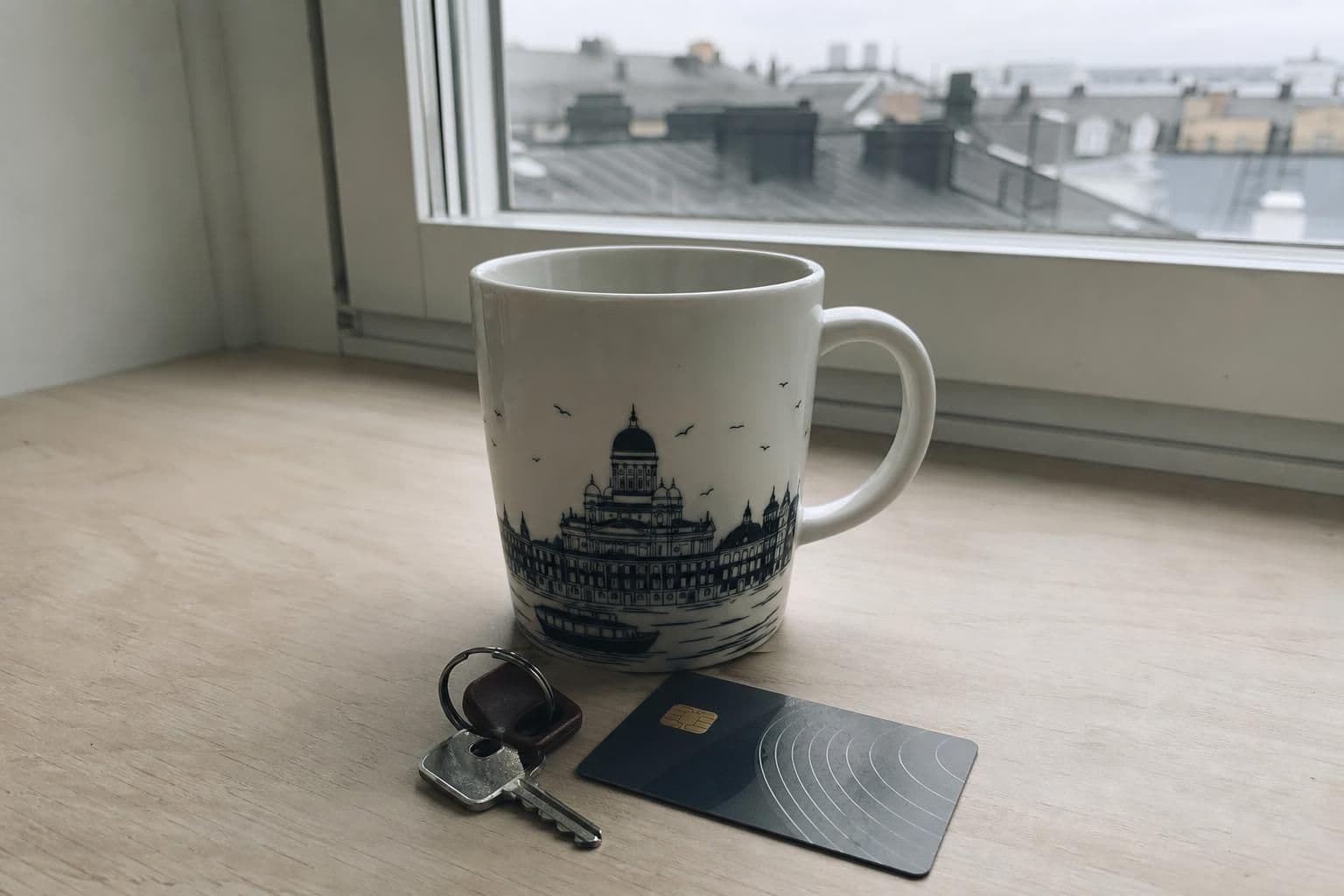
Admission to a Finnish university, or weighing an offer for 2026, means excitement often mixed with anxiety. Accommodation, expenses, and future opportunities all come into play. Helsinki, as Finland’s capital, stands out for ambitious international students—especially in tech and startups. Yet, glossy university marketing glosses over some stark realities.
What is student life in Helsinki really like in 2026?
Helsinki’s student community feels energetic and diverse, backed by solid university support. Yet, living here costs more than many anticipate, and navigating the system often takes more effort than expected. The draw of places such as the University of Helsinki and Aalto University brings global cohorts year after year. Safety and progressive values shape the city’s reputation, and in this respect, Helsinki delivers. Still, affordable student housing is fiercely competitive. Expenses quickly climb. Finnish bureaucracy needs close attention to detail—missing a single step can create delays.
Before arrival, international students must obtain a residence permit for studies from the Finnish Immigration Service (Migri). Requirements shift over time; always consult Migri directly for up-to-date information.
Founders relocating to Helsinki with the Finland Start-up Permit face unique challenges in housing, budgeting, community building, and healthcare. Preparation and understanding local processes are crucial for a smooth landing.

How hard is it to find student housing in Helsinki?
The reality: securing affordable student housing in Helsinki means acting fast. HOAS—the Foundation for Student Housing in the Helsinki Region—handles most international student applications, yet their properties cannot meet demand. As soon as an acceptance letter appears, apply at once. Waitlists, especially for the best-priced shared flats, are the norm.
Private rentals are available, though higher prices and sizeable deposits are typical. Don’t expect to finalize perfect accommodation ahead of arrival; plenty of newcomers spend their first months in sublets or temporary rooms. The city and universities offer guidance, but action must come early—scrambling for accommodation at the last minute rarely ends well.
| Housing Option | Pros | Cons |
|---|---|---|
| HOAS student housing | Affordable, student community | Limited supply, long waitlists |
| Private shared apartment | More availability, social | Higher rent, variable quality |
| Private studio/flat | Privacy, independence | Most expensive, high deposits |
Those seeking family-friendly or accessible housing face even stiffer timelines. For more specifics on relocation, visit our Finland hub.
What is the cost of living for students in Finland?
Student life in Helsinki demands a bigger budget than many other European capitals. Anticipate monthly costs above the EU average. The main expenses break down as follows:
- Rent dominates monthly outlays, with wide variations by area and housing type.
- Groceries cost more than in most other European countries.
- Public transport works well but requires paid passes.
- Healthcare is reliable, yet registering and paying the statutory student healthcare fee is mandatory.
- Personal costs—mobile, insurance, course materials, and social life—add up quickly.
EU/EEA students benefit from free tuition at Finnish universities, but those from outside the EU/EEA face substantial fees. Scholarships exist yet remain hard to win. Double-check the latest costs and tuition rates with both your university and Migri before committing to plans.

How do healthcare and insurance work for international students?
All degree students pay a mandatory healthcare fee for the Finnish Student Health Service (FSHS), which covers basic GP, dental, and mental health services. The coverage is strong, though some specialist care and prescriptions require out-of-pocket payments. EU/EEA students can present a European Health Insurance Card; those from elsewhere must show private health insurance when applying for their residence permit—see the requirements on Migri for up-to-date details.
Skipping health insurance leads to financial and academic risk in case of illness—always insure before arrival.
Is language a barrier in Helsinki’s student life and job market?
English dominates academic life, but Finnish is often required for jobs and deeper integration. Students manage their studies and daily routines in English. Still, learning Finnish unlocks more part-time jobs and broadens social opportunities. Finnish courses through the university—often free or low-cost—should be prioritized early.
While most Helsinkians speak English, official papers and many workplaces remain Finnish-first. Those launching startups or establishing long-term careers will gain from at least basic Finnish proficiency. Official guidance documents are routinely only in Finnish or Swedish.
How does public transportation work for students?
Helsinki has a well-integrated and accessible public transit network for students. The HSL travel card unlocks city-wide access: metro, tram, buses, and commuter trains on one system. Full-time students under 30 receive discounted passes each month. Reliability is high year-round, and many students cycle during the non-winter months.
Registering student status with HSL on arrival is a must. Delays in setup mean paying standard adult fares unnecessarily.
What student job options exist—and what are the realities?
Non-EU/EEA students with valid study permits may work part-time in Finland. Strict limits exist on hours and work periods—review current rules via the Finnish Immigration Service (Migri). English-speaking jobs cluster in hospitality, cleaning, or delivery, and competition is intense. Tech or startup roles demand more: practical skills plus Finnish or Swedish in many cases.
Student jobs provide extra cash and work experience, but rarely cover all living expenses. A financial plan should never depend solely on part-time work.
What is Helsinki’s tech and startup community like for students?
Helsinki is a core Nordic hub for tech, with a dynamic startup environment that welcomes student involvement. University programmes have close ties to business incubators and entrepreneurship groups. For example, Aalto University’s Startup Center and the Slush conference serve as springboards for ambitious founders. Hackathons and co-working spaces give students a route into local and global startup networks.
Our view: Helsinki’s ecosystem rewards students who network early and take part in incubator programmes—because these initiatives connect you to actual founders. For those interested in the founder angle, see our Essential Guide for Startup Founders Moving to Helsinki.
How can international students transition from study to startup founder in Finland?
Finland’s system offers a direct route for students ready to launch startups post-graduation. A viable business can be the basis for the Finland Start-up Permit, processed through the Finnish Immigration Service (Migri). Candidates need a scalable business model, an innovative offering, and proof of sufficient capital, along with a sound plan.
The process includes:
- Graduating under a student residence permit.
- Developing and validating the business idea before graduation if possible.
- Submitting documentation—business plans, proof of funding—when applying for the Start-up Permit at Migri.
- Changing your residence status from student to entrepreneur/founder once approved.
See the details, including document lists and timelines, in our Finland start-up permit resource and the Finland Start-up Permit in 2026 guide.
What to do next
Approach your move with clear eyes: expect stiff competition for housing, elevated expenses, and the need to act early. Secure your accommodation as soon as possible, over-budget for every recurring cost, and use student years to build language ability and your network. Startup ambitions? Study the start-up permit pathway and review our Helsinki founder guide now—planning beats improvisation every time.